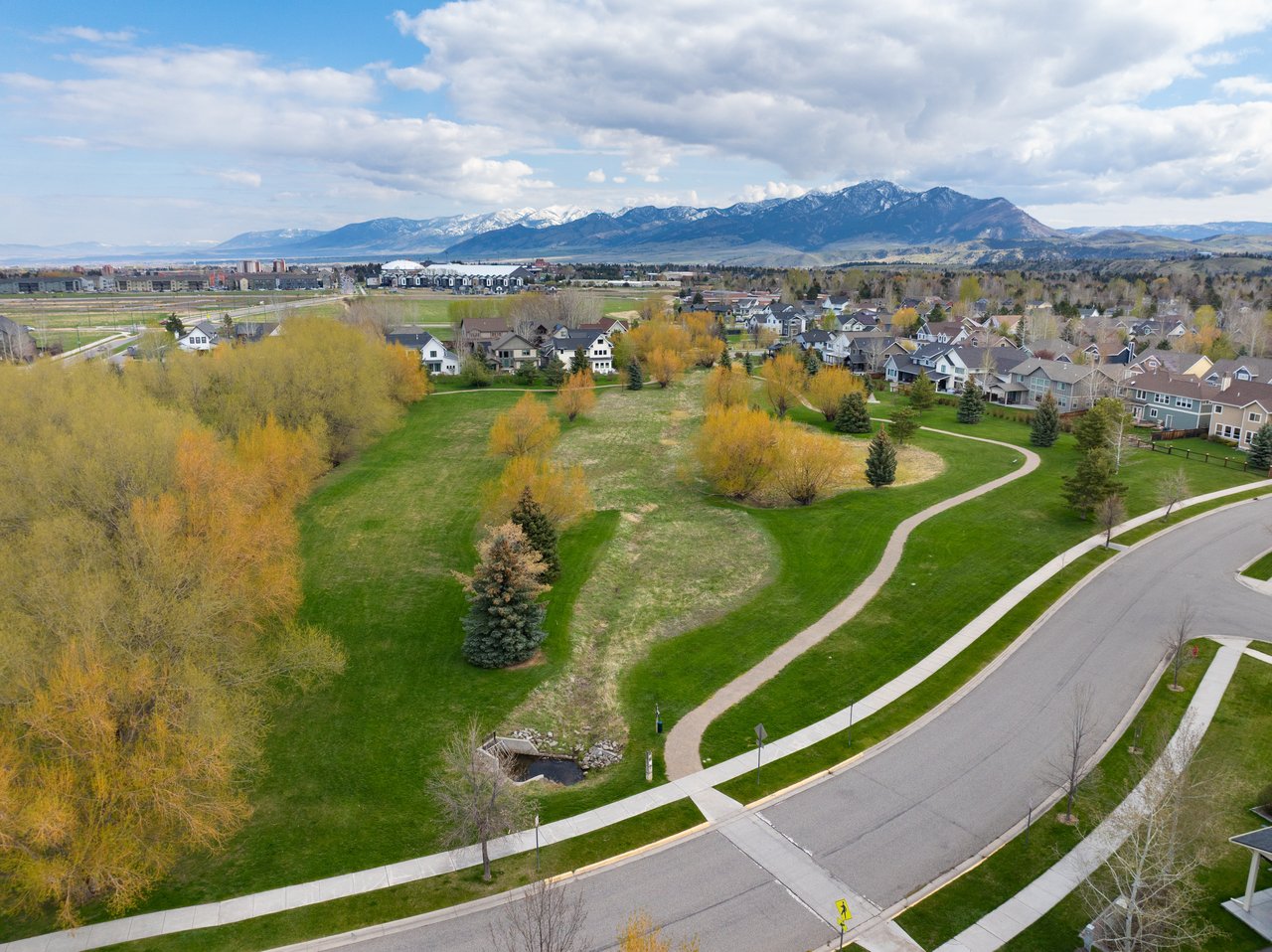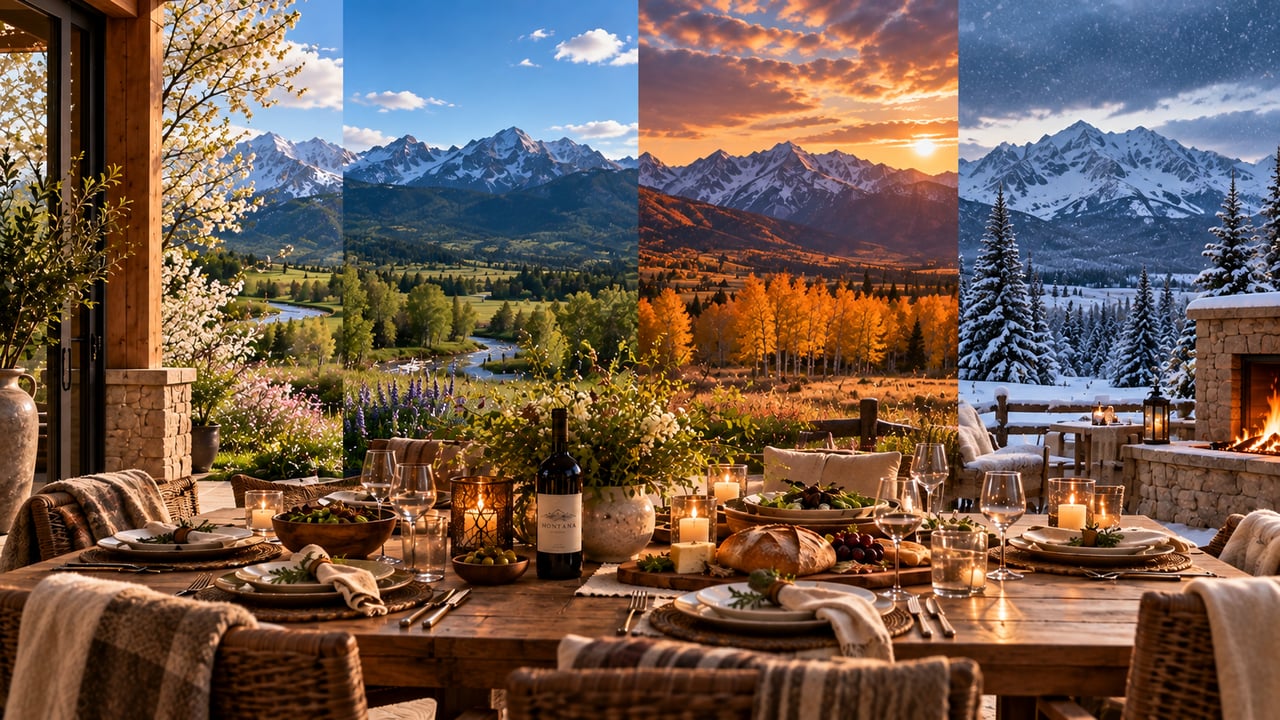
If you ask someone who has lived in Bozeman for more than a few years what their favorite season is, a surprising number of them will say fall. Not summer, with its long golden evenings and river floats and festival energy. Not winter, with its powder days and the particular silence that follows a heavy snow. Fall. The season that arrives quietly in late August, announces itself properly by mid-September, and spends the next six weeks delivering the most beautiful sustained stretch of days this corner of Montana produces all year. It is the season that turns residents into lifers and visitors into buyers, and the one that is most difficult to leave when it ends.
The Light Changes Everything
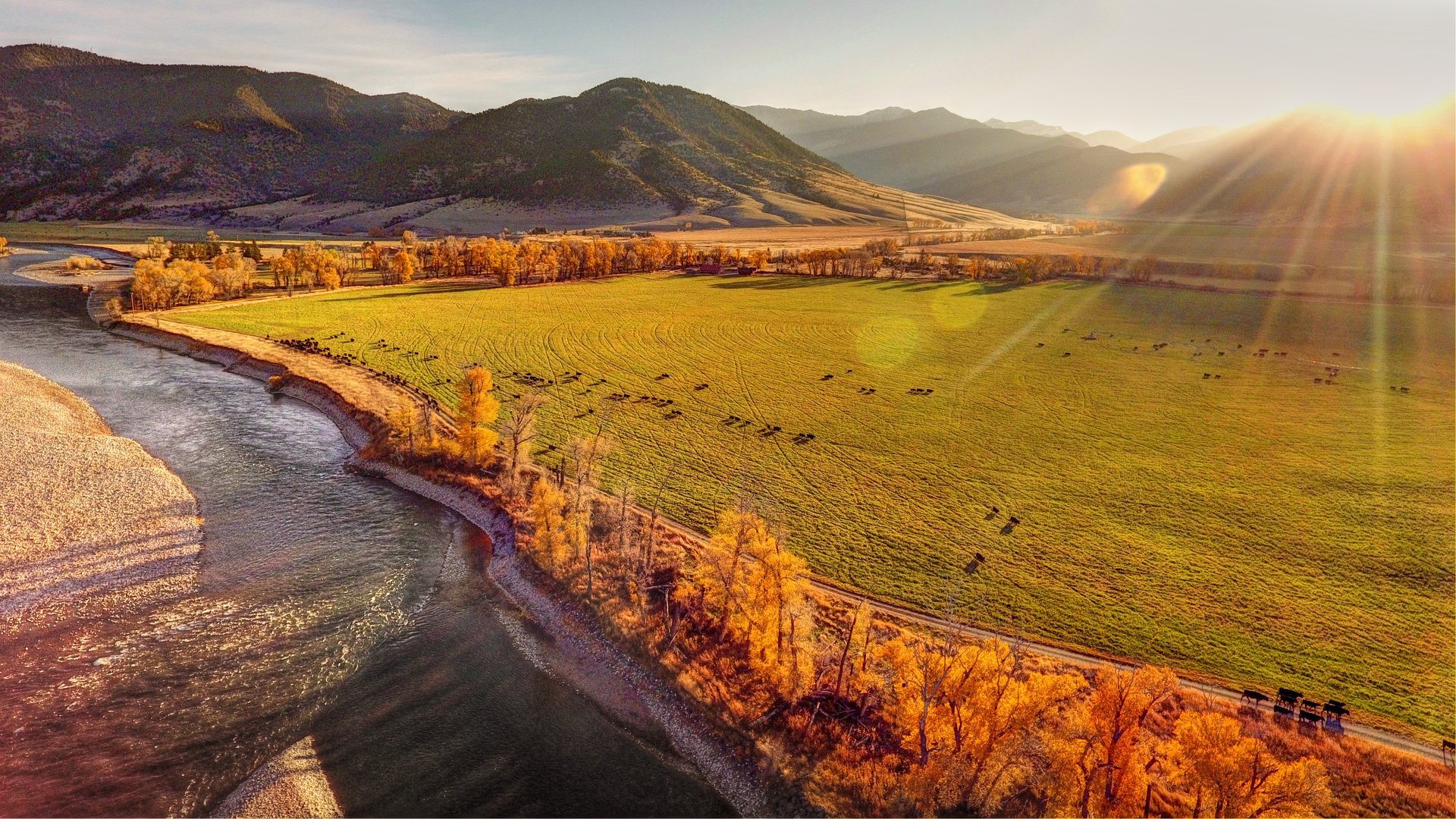
There is a quality to fall light in Southwest Montana that does not exist in any other season and cannot be fully prepared for the first time you experience it. It is lower, more directional, and warmer in tone than summer light, arriving at an angle that catches the landscape differently across every hour of the day. Morning light in September arrives golden and unhurried across the valley floor. Afternoon light on the Bridger Range turns the peaks amber in a way that stops people mid-conversation. And the alpenglow at dusk deepens into something that feels less like weather and more like an event. People who move here from coastal cities or larger metros often describe their first Montana fall as the moment the decision to come felt fully validated.
The Aspens
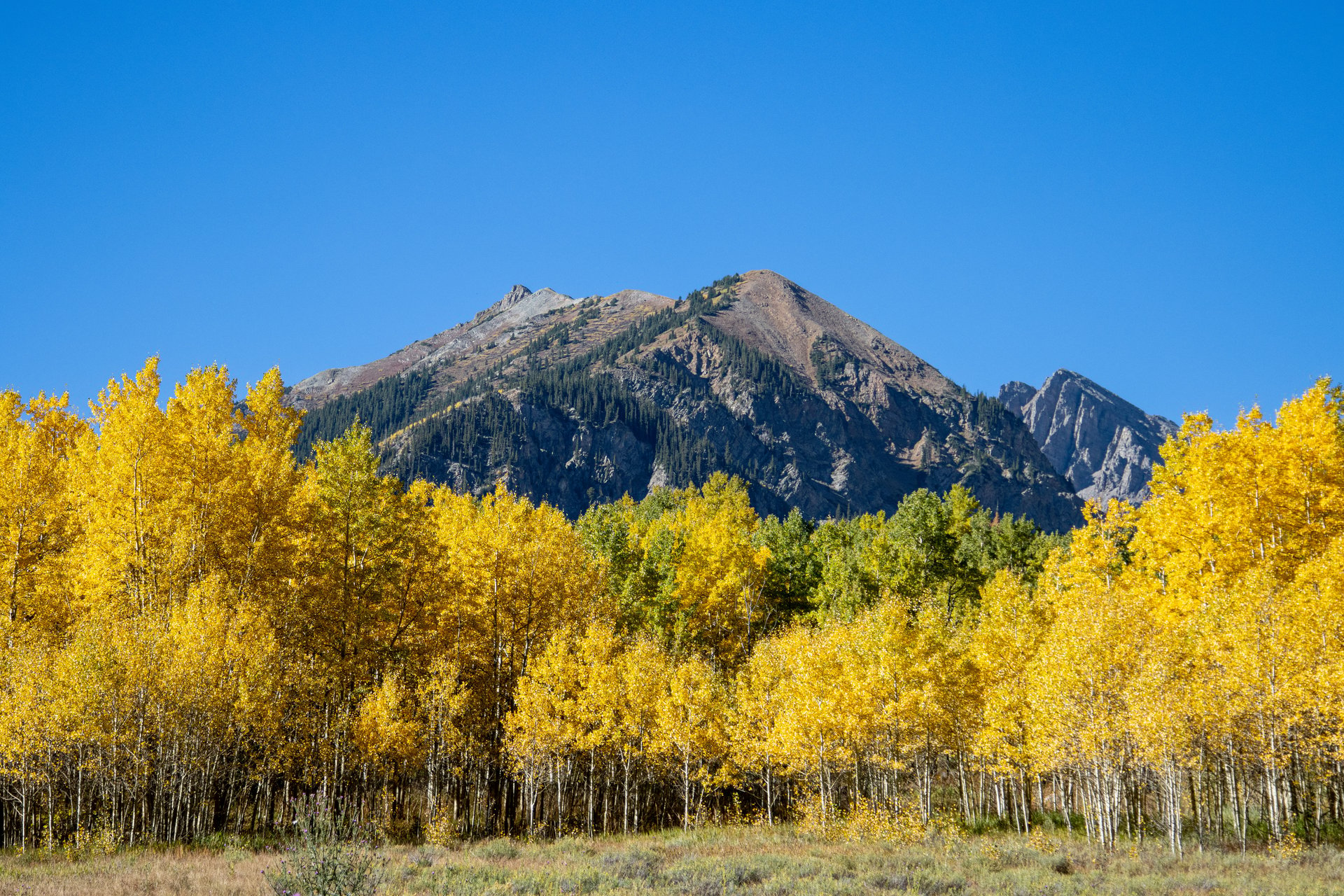
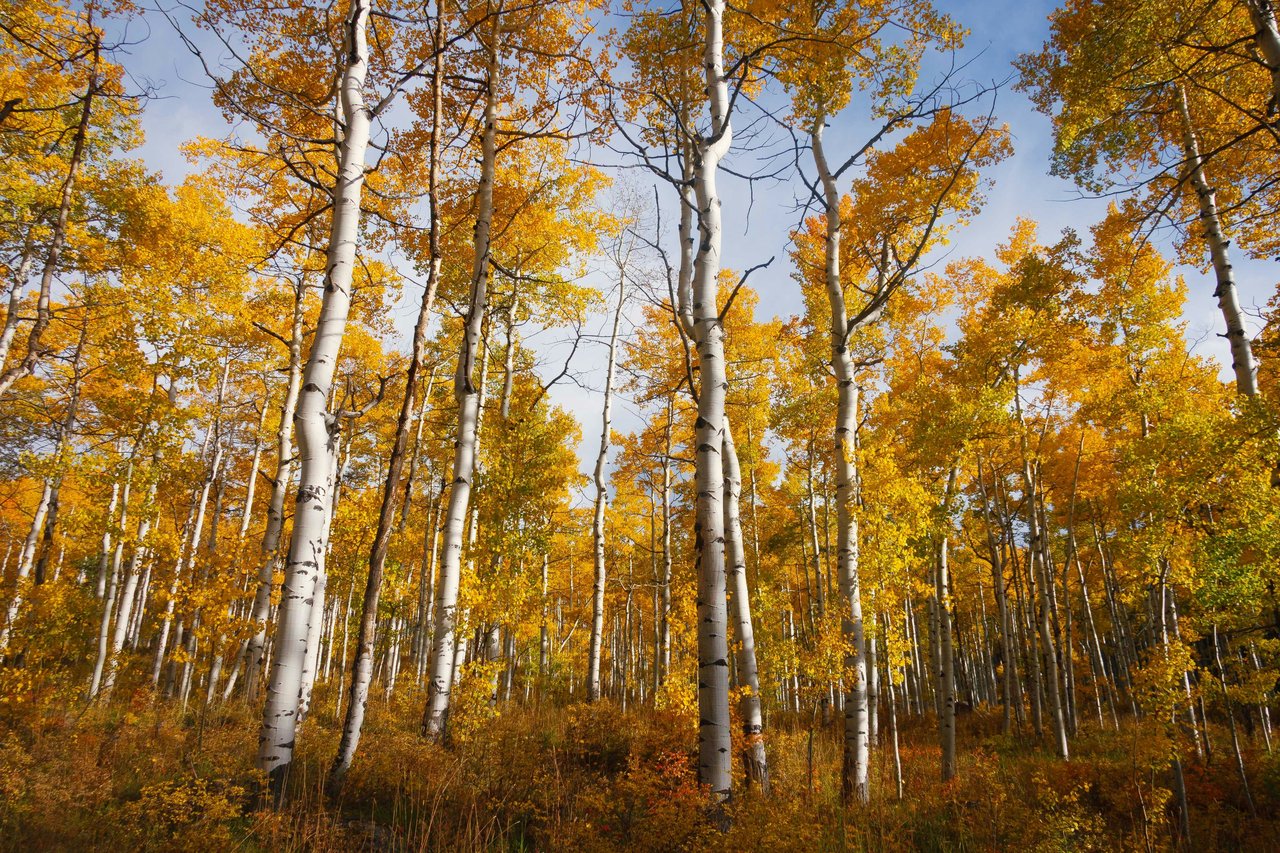
No single visual experience defines autumn in Southwest Montana more completely than the aspen groves turning. Beginning in the high country in late August and moving down through the canyons and foothills through September and into October, the aspens shift from deep summer green to a yellow so luminous it almost appears to generate its own light. Bridger Canyon, Hyalite Canyon, Sourdough Canyon, and Leverich Canyon all deliver aspen color that rivals anything the Mountain West has to offer. For residents, the weekend hikes timed to peak color and the canyon drives that become a standing appointment on the September calendar are among the most anticipated rituals of the year. For visitors experiencing it for the first time, it tends to be the moment Montana stops being somewhere they have heard about and becomes somewhere they need to figure out how to stay.
The Elk Rut
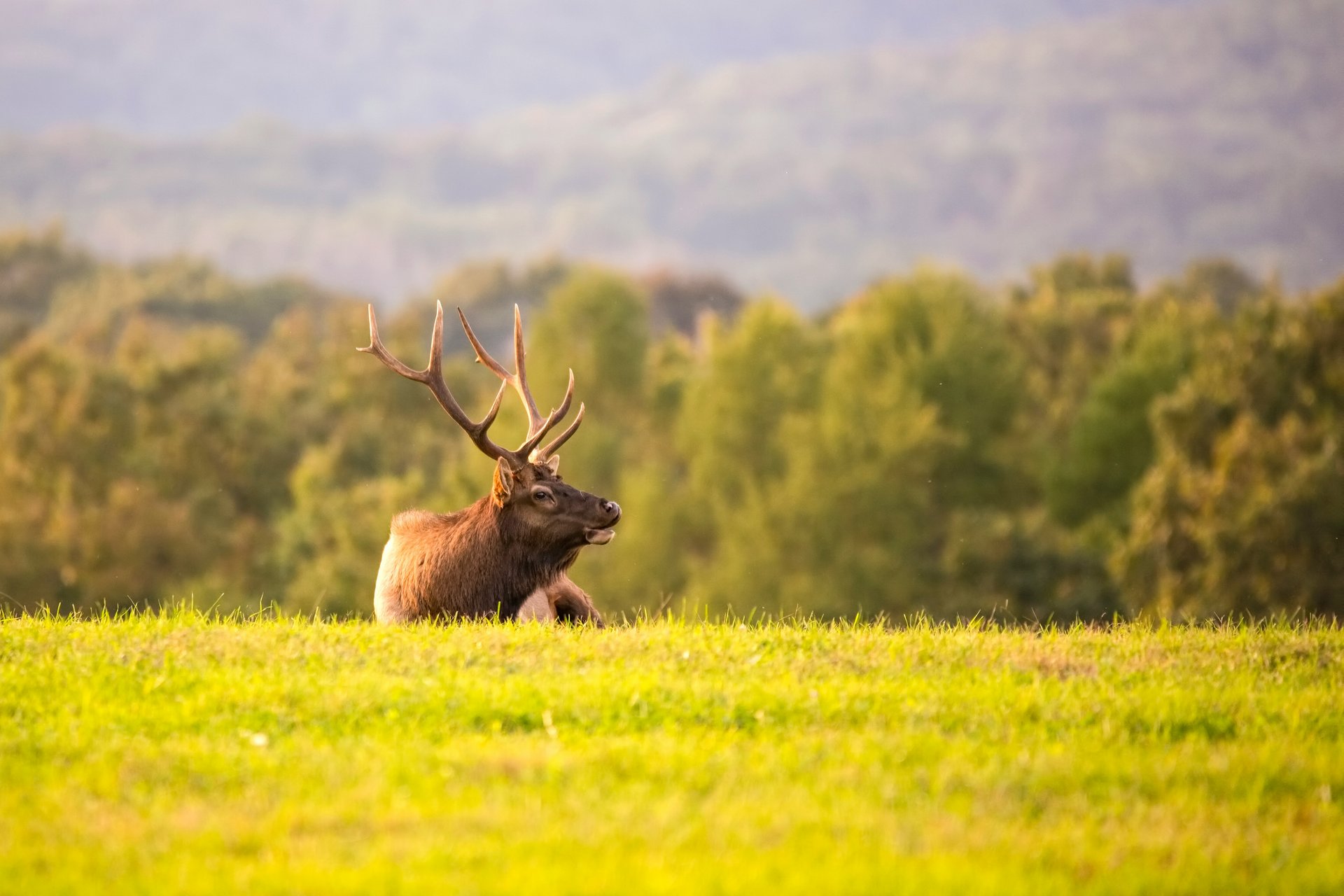
September in Southwest Montana belongs, in a particular and deeply satisfying way, to the elk. The rut, which peaks in mid-September and runs through early October, brings a quality of wildness to the landscape that no other season delivers. Bull elk are bugling from the ridgelines above the southside neighborhoods in the predawn darkness. Herds are moving across the foothills of the Gallatin Range in the early morning and late afternoon light. For homeowners in Triple Tree Ranch, Bridger Canyon, or anywhere adjacent to open space, the elk are not a distant spectacle but a presence, moving through the property with an unhurried confidence that reminds you, with welcome regularity, that you share this landscape with something much older and much wilder than the neighborhood that surrounds you.
The Weekend Energy
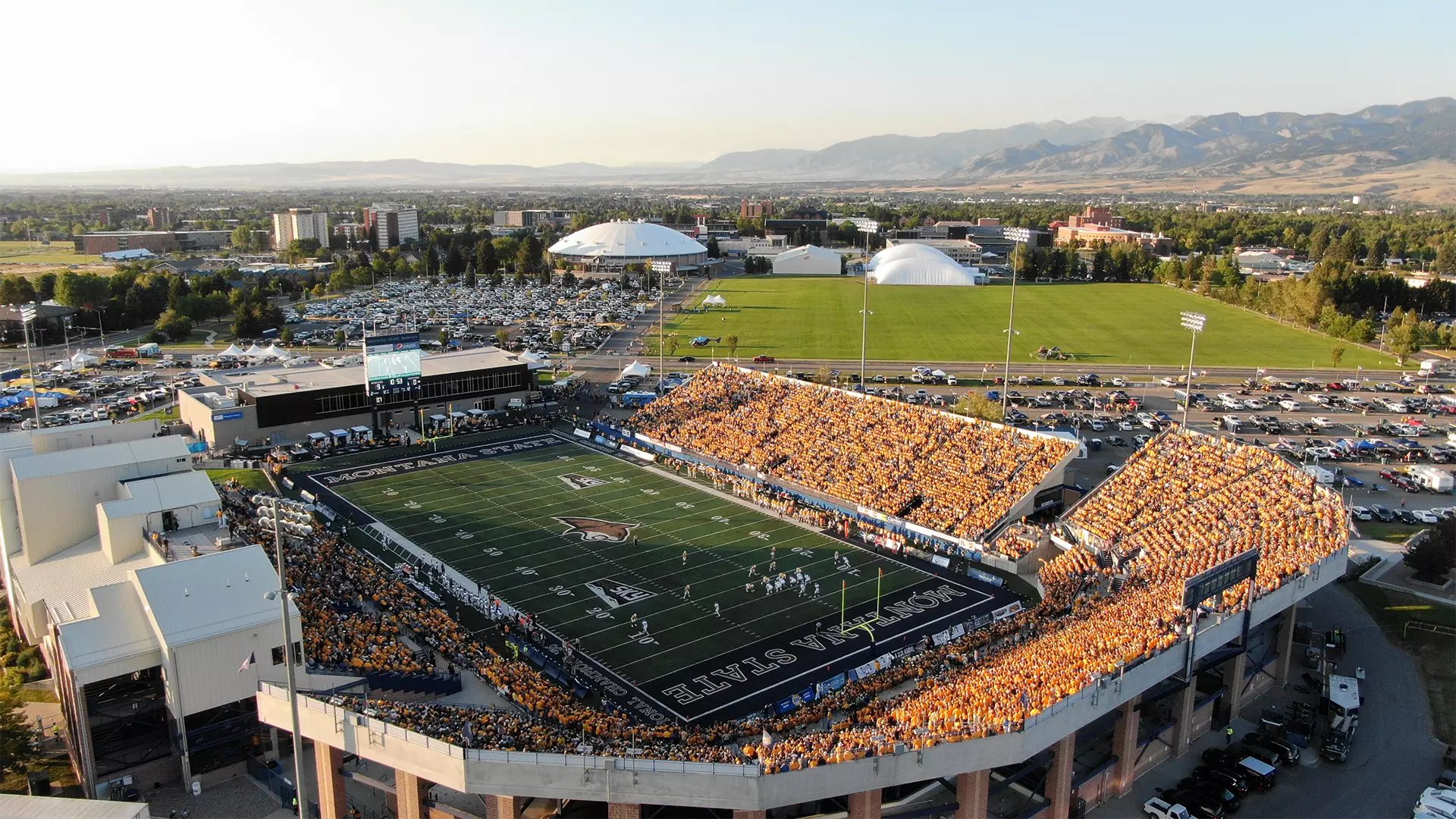
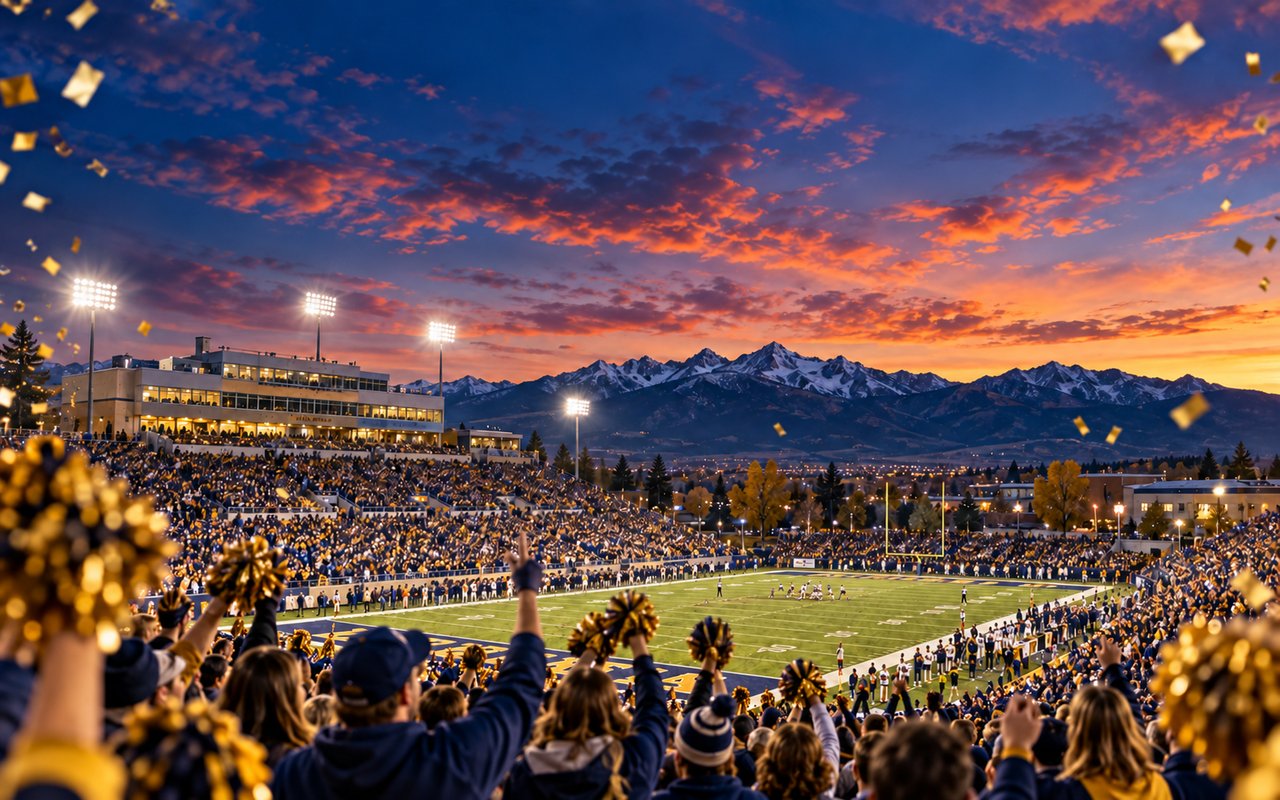
Fall weekends in Bozeman have a rhythm and an energy that is unlike any other time of year. Bobcat football brings the city together on Saturday afternoons in a way that is genuinely difficult to replicate, with tailgates starting mid-morning, blue and gold visible on every block, and Bobcat Stadium delivering the kind of crowd energy that reminds you what it means to be part of a community with something to cheer for together. The farmers market runs through the fall, with late season offerings reflecting a harvest abundance that feels entirely appropriate to the season. And Bozeman's restaurant scene finds a particular groove when the summer tourist traffic subsides and the city settles back into its own rhythm, with dining rooms taking on a warmth and intimacy that peak season rarely allows.
The Beartooth Before It Closes
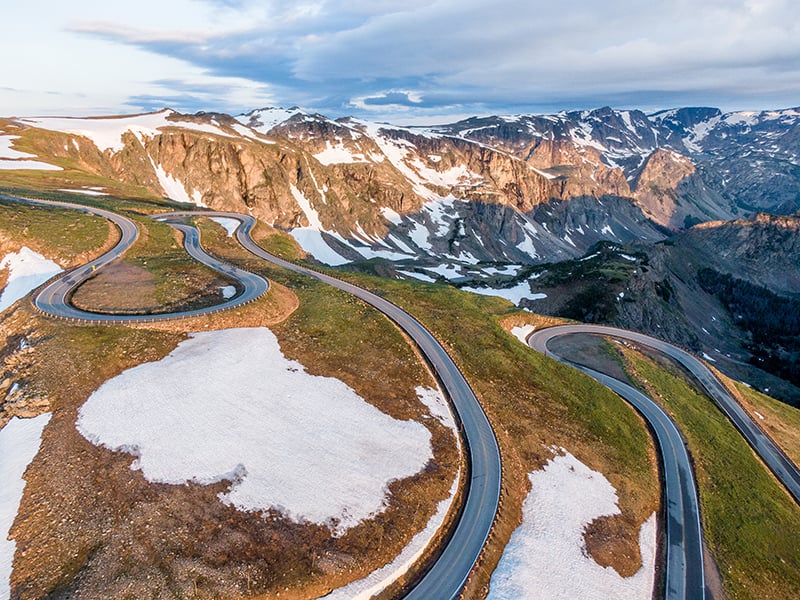
Every fall, there is a window, usually running through late September and into mid-October, when the Beartooth Highway is still open and the high country it traverses has turned. The alpine tundra goes rust and gold. The glacial lakes reflect a sky that has taken on the deeper, more saturated blue of early autumn. And the crowds that pack the highway in July have thinned to almost nothing, leaving the road and the landscape in a state of quiet that feels like a private showing of one of the most spectacular places in the American West. The highway climbs to 10,947 feet and typically closes around October 15, though weather can accelerate that timeline considerably, as it did just this past weekend when 1 to 3 inches of snow fell on the pass on August 30th. Making the fall drive before it closes is something between a tradition and an obligation for Bozeman residents, and if you have never made it in fall, it belongs on the calendar before the end of October.
What Fall Reveals About a Home
There is something honest about fall that summer, with its long light and favorable weather, does not always provide. A home in September shows you things a home in July does not. You see how the morning light comes into the kitchen at a lower angle and whether the windows capture it or block it. You feel the first cool evenings and understand which outdoor spaces stay comfortable and which ones do not. You watch the aspens on the hillside behind the property turn and understand whether the views the listing described are actually present from the rooms that matter. For buyers who are seriously considering a move to Southwest Montana, a fall visit is one of the most honest and revealing ways to evaluate a property and a place. The season does not flatter. It simply shows you what is there. And for the homes and communities that are genuinely exceptional, fall tends to be their finest argument. Reach out to PollyAnna Snyder at 406.600.2477 or [email protected].
Frequently Asked Questions
When do the aspens typically peak in the Bozeman area?
Aspen color in the Bozeman area typically begins in the high country in late August and moves down through the canyons and foothills through September and into early October. Peak color in Hyalite Canyon, Bridger Canyon, and Sourdough Canyon generally falls in the third and fourth weeks of September, though timing varies year to year depending on temperature and precipitation. Following local hiking community sources gives the most accurate read on peak timing in any given year.
What is the elk rut and when does it happen near Bozeman?
The elk rut is the annual breeding season during which bull elk bugle to establish dominance and attract cows. In Southwest Montana, the rut typically peaks in mid-September and runs through early October. It is one of the most dramatic wildlife spectacles the region produces, with bulls bugling from ridgelines and meadows across the Gallatin Valley, often audible from residential neighborhoods adjacent to open space.
Is fall a good time to visit Bozeman if I am considering a move?
Exceptionally so. Fall strips away the flattering conditions of summer and shows a place as it actually is, which in Bozeman's case tends to be genuinely beautiful and deeply livable. The community has returned to its own rhythm after summer tourism, the restaurants and local businesses are at their most authentic, and the real estate market tends to offer more negotiating room than the competitive summer months.
When does the Beartooth Highway typically close for winter?
The Beartooth Highway typically targets a closure around October 15, though weather can bring that date forward, sometimes as early as early October. The highway climbs to 10,947 feet, making it vulnerable to early season snowfall, as demonstrated by the 1 to 3 inches that fell on the pass on August 30th of this year. The Montana Department of Transportation provides current road condition and closure information at mdt.mt.gov.
What makes fall different from other seasons in Bozeman's real estate market?
Fall tends to bring motivated sellers, reduced buyer competition, and a more honest view of properties and neighborhoods than peak summer conditions provide. The buyers who engage seriously with the market in September and October often find that the season rewards their intentionality in ways that the more competitive summer market does not. For a more specific conversation about what fall represents for your situation, reach out to PollyAnna Snyder at 406.600.2477 or [email protected].
PollyAnna Snyder | Engel & Völkers Bozeman | 406.600.2477 | [email protected]