Bozeman gives you two completely different ski mountains within an hour of downtown, and most locals ski both. Bridger Bowl is 16 miles north, a nonprofit community mountain with 2,000 acres and some of the most serious expert terrain in the country. Big Sky Resort is 50 miles south, one of the largest ski resorts in North America with 5,850 acres and a 4,350-foot vertical drop. Here is an honest comparison of both so you can decide where to point your skis.
Bridger Bowl: Bozeman’s Backyard Mountain
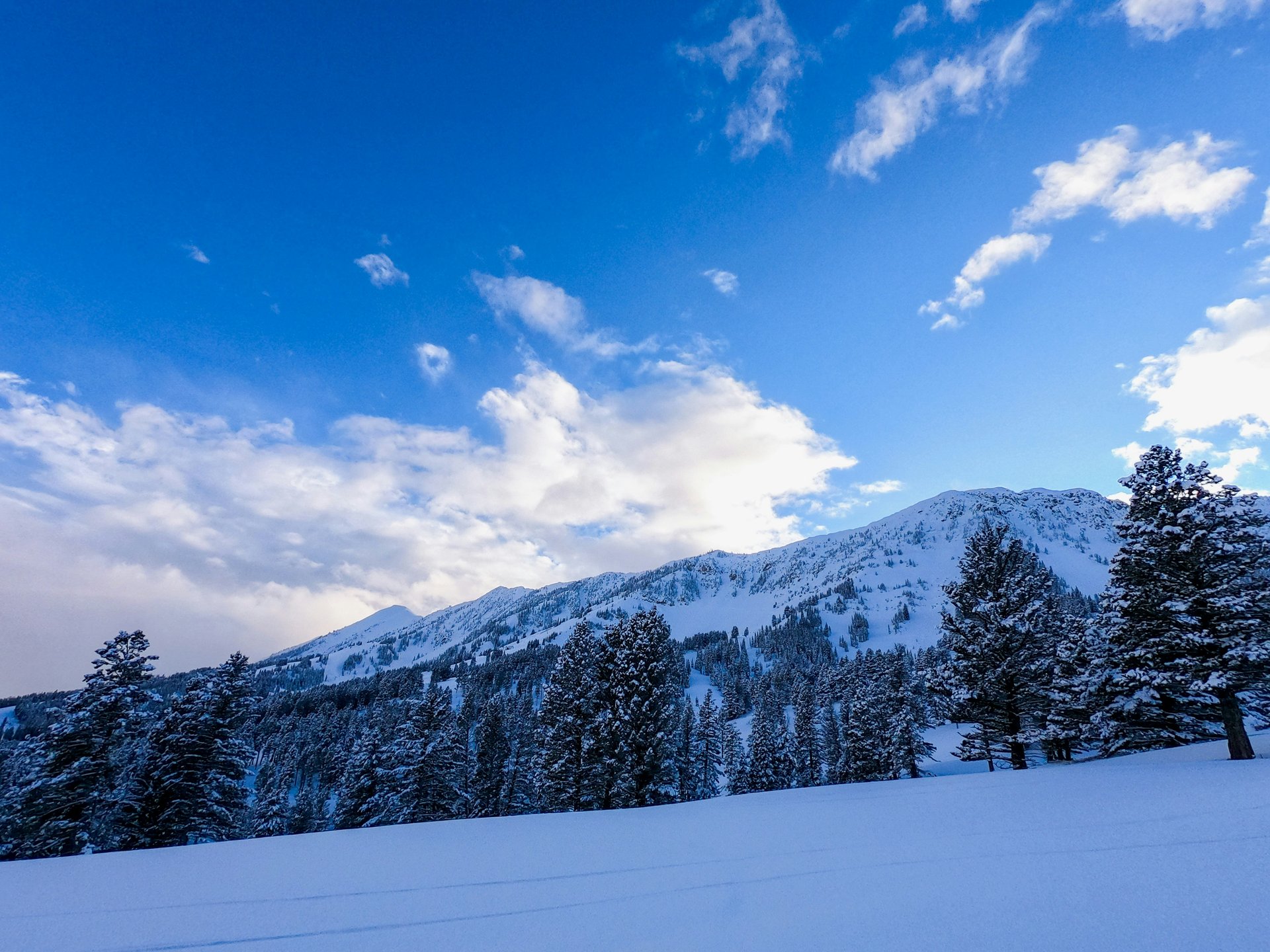
Bridger Bowl sits 16 miles north of Bozeman in the Bridger Range, a 30-minute drive from downtown. It is a nonprofit ski area, which means the proceeds go back into the mountain rather than to shareholders, and that philosophy shows in the culture. The lift tickets are significantly cheaper than most comparable mountains, the crowds are manageable even on weekends, and the atmosphere is unpretentious in a way that feels genuinely specific to Bozeman. The terrain covers 2,000 lift-served acres with a 2,600-foot vertical drop from a summit elevation of 8,700 feet, plus an additional 311 acres of hike-to expert terrain on The Ridge, which requires an avalanche transceiver and is considered some of the most challenging inbounds terrain in North America. The mountain averages 350 inches of snowfall annually, most of it the dry, light powder locals call cold smoke, which has made Bridger’s reputation among serious skiers for decades. The terrain breakdown skews heavily toward advanced and expert, making it best suited for intermediate to expert skiers and riders, though the lower mountain has solid beginner terrain as well.
Big Sky Resort: One of the Largest Ski Resorts in North America
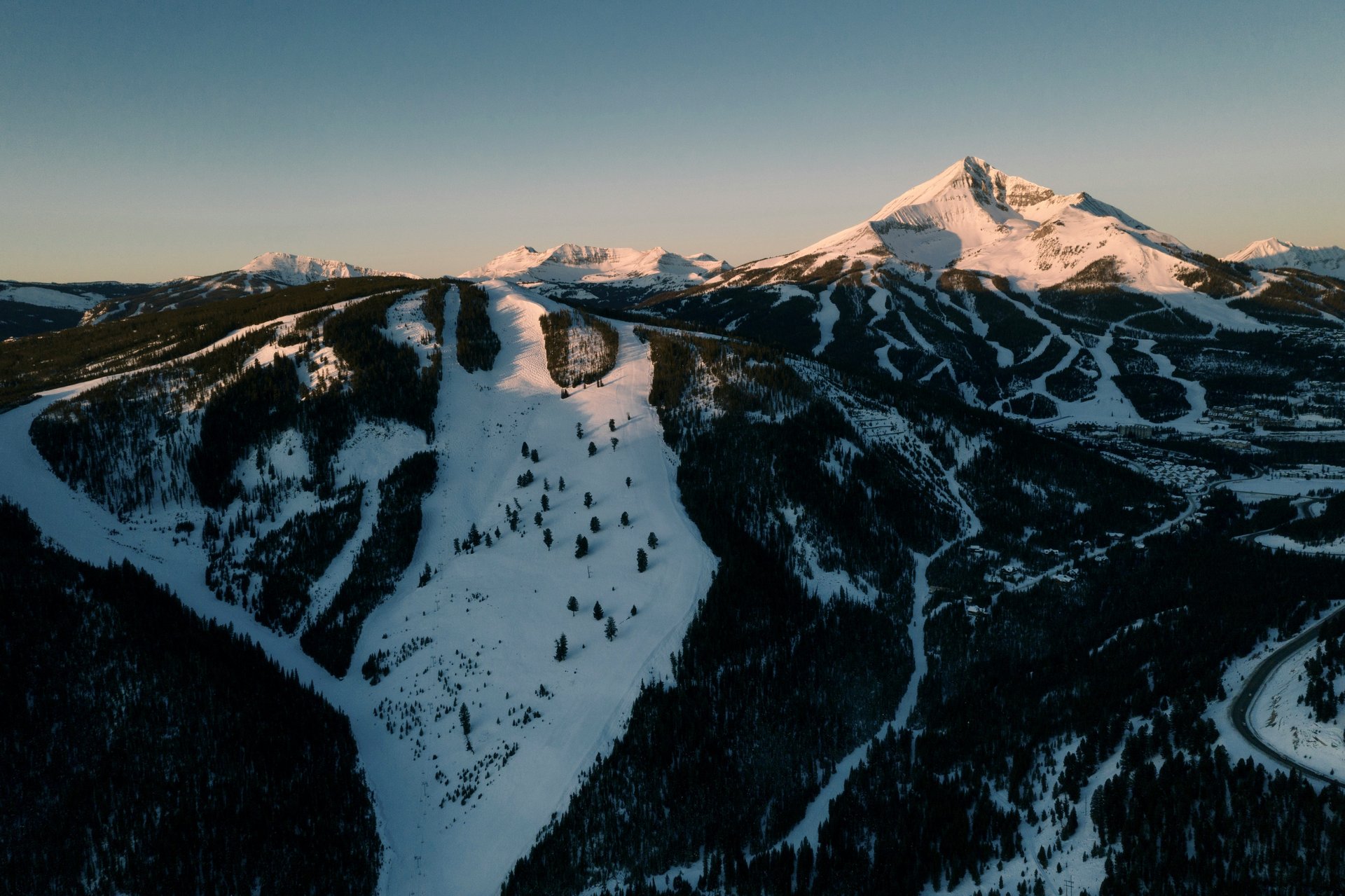
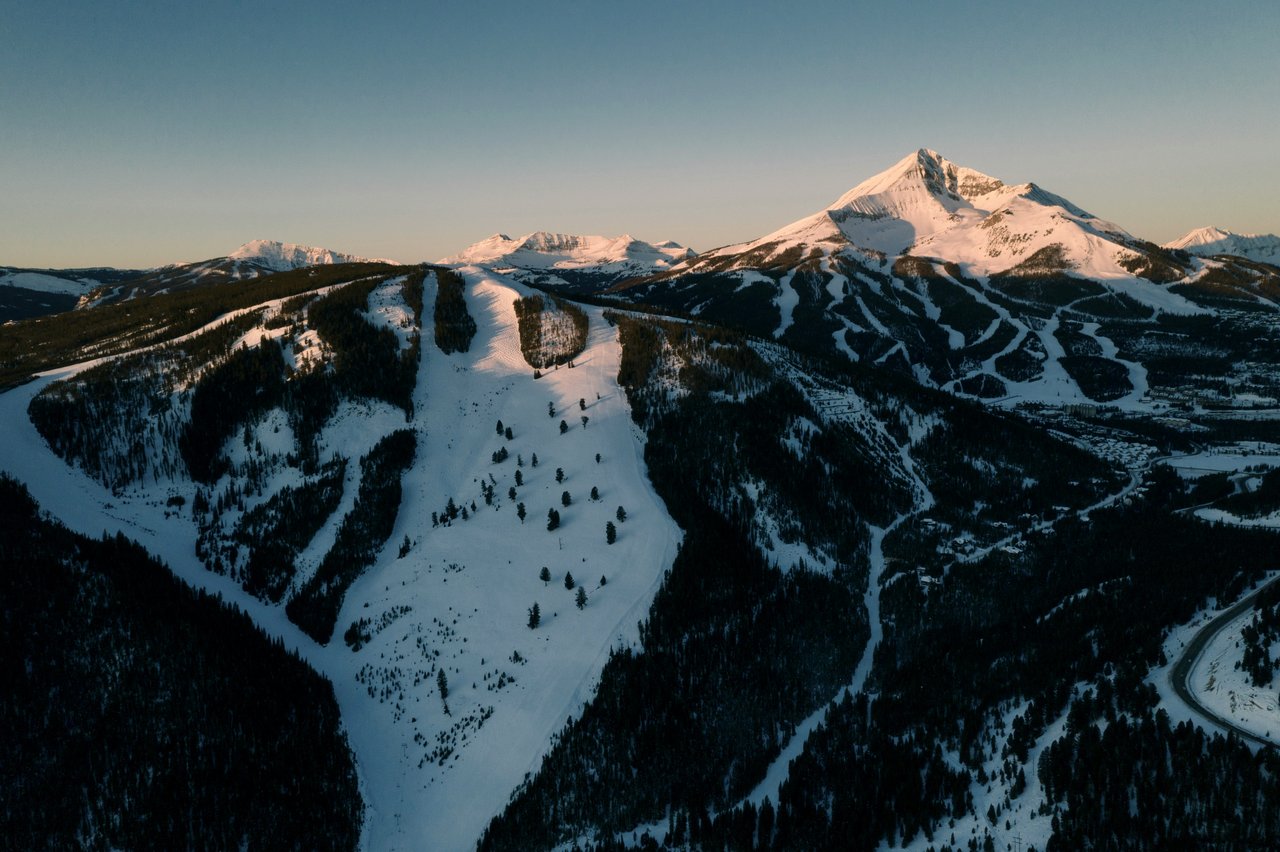
Big Sky Resort sits 50 miles south of Bozeman on Lone Mountain, about a one-hour drive through Gallatin Canyon on US-191. With 5,850 skiable acres, a 4,350-foot vertical drop, and a summit elevation of 11,166 feet, it is one of the largest ski resorts in North America and second only to Snowmass at Aspen in vertical drop. The mountain spans four interconnected zones, Mountain Village, Moonlight Basin, Spanish Peaks, and the Lone Peak summit, served by 40 lifts and 320 named trails. The terrain breakdown covers all ability levels, with the upper mountain and Lone Peak Tram reserved for advanced and expert skiers willing to handle genuinely consequential terrain. Average annual snowfall is 400 inches. SKI Magazine named Big Sky the number one resort in the West for 2026. The resort town has its own lodging, restaurants, and amenities, which means a day at Big Sky can easily become a weekend.
The Key Differences
The two mountains serve different purposes in a Bozeman skier’s life. Bridger Bowl is the weekday mountain, the one you hit on a Tuesday morning before a noon meeting, the one where you run into your neighbors on the chairlift, the one where the culture feels like a community rather than a destination resort. Big Sky is where you take out-of-town guests who want to understand what Montana skiing is really capable of, or where you spend a full weekend when you want to ski terrain you have never seen before. Bridger is cheaper, closer, and culturally more local. Big Sky is bigger, more polished, and more of an event. Most Bozeman residents who ski seriously hold passes to both.
Season Passes, And Why the Next Two Weeks Matter
If you are planning to ski either mountain this season, now is the time to buy your pass. Bridger Bowl’s current pricing of $1,100 for an adult Full Season Pass increases to $1,250 on November 1, and the 12% family discount on Full Season and Value passes expires October 31. That is a meaningful price jump with less than two weeks left to avoid it. Visit bridgerbowl.com to purchase. Big Sky Resort is also in its final pricing window before November 5 at midnight, after which pass prices increase for the 2026/27 season. The adult Blue Pass is currently $1,120 and the Gold Pass, which includes unlimited access with the Lone Peak Tram and premium benefits, is $3,300 for adults. Visit bigskyresort.com to purchase. Both mountains open in late November, Big Sky on November 25 and Bridger Bowl with a projected opening of December 11, so buying now means you are set for the season at the best available price.
Which One Is Right for You
If you are a beginner or low intermediate, Big Sky offers more varied terrain options and a more resort-style experience with full amenities, though Bridger’s lower mountain is perfectly suited for learning. If you are an intermediate skier who wants to improve, both mountains deliver. If you are an advanced or expert skier, Bridger’s Ridge terrain is a genuine bucket list experience that draws serious skiers from across the country, while Big Sky’s upper mountain and Lone Peak Tram offer a different kind of consequence at larger scale. If you are visiting Bozeman and only have one day on snow, the honest recommendation depends on your ability level and what you are looking for. One day at Bridger shows you what a beloved local mountain feels like. One day at Big Sky shows you what Montana skiing looks like at full scale.
What This Has to Do With Living Here
One of the things buyers from ski communities in Colorado and Utah consistently describe as genuinely surprising about Bozeman is that two mountains of this caliber are within an hour of a city with a real restaurant scene, strong schools, and a connected international airport. Most ski destinations make you choose between the mountain and the city. Bozeman does not. If the ability to ski Bridger Bowl on a Tuesday and Big Sky on a Saturday is part of what draws you to this market, we would love to talk about what that life actually looks like in terms of a home and a neighborhood. Reach out to PollyAnna Snyder at 406.600.2477 or [email protected].
Frequently Asked Questions
How far is Bridger Bowl from Bozeman?
Bridger Bowl is 16 miles north of Downtown Bozeman, approximately a 30-minute drive. It sits in the Bridger Range within the Gallatin National Forest and is accessible year-round by road.
How far is Big Sky Resort from Bozeman?
Big Sky Resort is approximately 50 miles south of Bozeman, about a one-hour drive through Gallatin Canyon on US-191. The drive itself is one of the most scenic routes in the region.
How much terrain does each mountain have?
Bridger Bowl has 2,000 lift-served skiable acres plus 311 additional acres of hike-to expert terrain on The Ridge. Big Sky Resort has 5,850 skiable acres across four interconnected zones served by 40 lifts and 320 named trails.
Which mountain gets more snow?
Big Sky averages approximately 400 inches of annual snowfall. Bridger Bowl averages approximately 350 inches, most of it the dry, light powder known locally as cold smoke that has made the mountain’s reputation among serious skiers.
Is Bridger Bowl good for beginners?
Yes. While Bridger Bowl’s overall terrain skews toward intermediate, advanced, and expert, the lower mountain offers dedicated beginner runs and terrain well suited for learning. Big Sky also has strong beginner terrain and a more resort-style infrastructure that some first-time skiers may find more comfortable.
Can I ski both mountains in the same trip?
Yes, and many visitors do. Bozeman makes a natural base for skiing both mountains in the same visit, with Bridger Bowl a 30-minute drive north and Big Sky an hour south. Most local skiers who ski regularly hold passes to both and move between them throughout the season based on conditions and mood.
PollyAnna Snyder | Reserve Properties | Engel & Völkers | 406.600.2477 | [email protected]