There is a moment that happens to a certain kind of buyer, usually somewhere between their third visit to a place and their first serious conversation with a real estate advisor, when the question shifts. It stops being should I buy a second home and becomes why haven't I done this sooner. In the Mountain West, that moment is happening in Montana possibly more than anywhere else right now. And the reasons are worth understanding.
The Competition Is Real — and Montana Is Still Winning
For the discerning buyer evaluating the Mountain West as a second home market, the options are well known. Colorado has Aspen, Telluride, and Vail, storied destinations with deep infrastructure and established luxury markets. Idaho has Sun Valley, which has attracted a loyal and affluent buyer base for decades. Utah offers Park City, with proximity to Salt Lake City and some of the best skiing in the country. Arizona delivers Scottsdale and Sedona, with warm winters and a mature luxury lifestyle market.
Each of these destinations has genuine merit. But each of them also has something else: a ceiling. The land is largely spoken for. The communities are well-discovered. The price-to-privacy ratio has compressed significantly over time, and the sense of arriving somewhere genuinely untouched, of being in the early chapters of a place rather than the later ones, is increasingly difficult to find.
Montana does not have that problem. Not yet. And that is precisely why the conversation is shifting.
The Privacy & Scale Argument
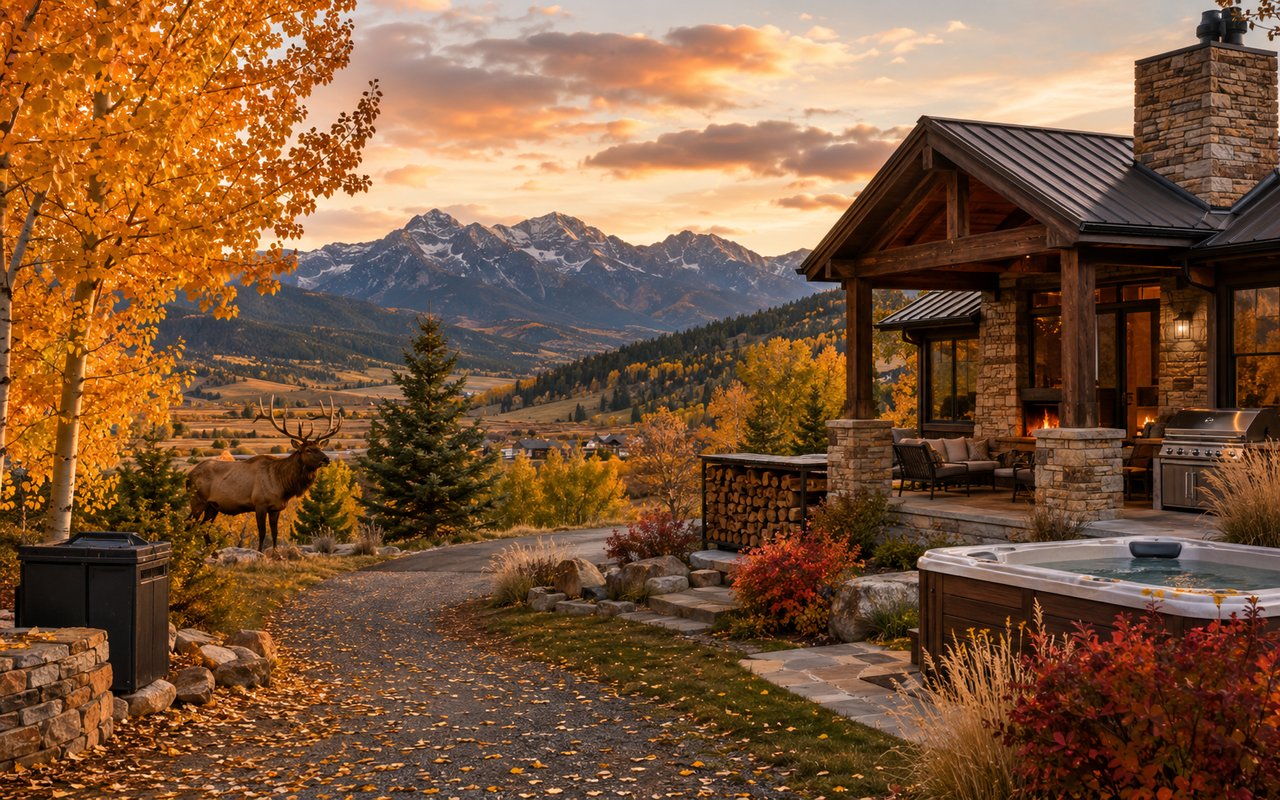
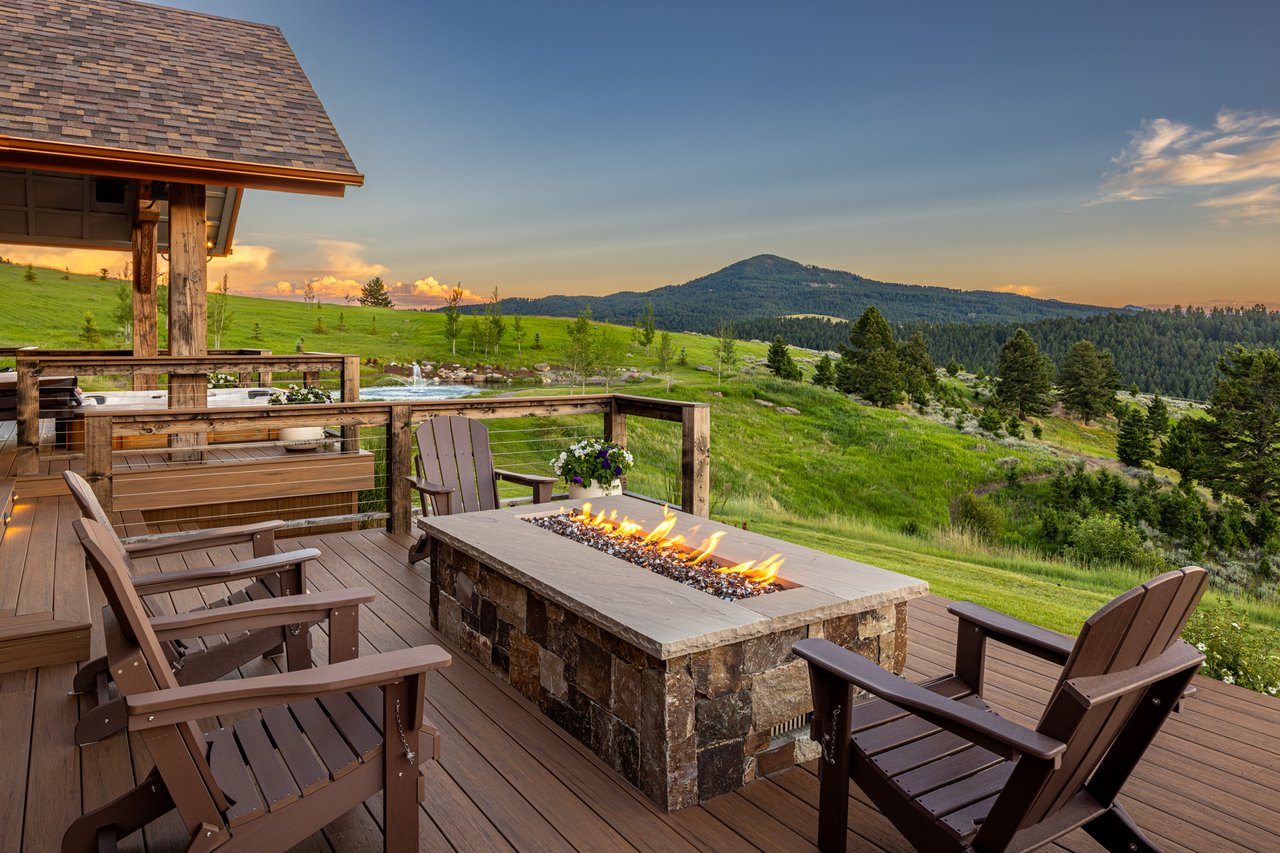
What Montana offers that its competitors increasingly cannot is simple: room. Genuine, unencumbered, big sky, horizon-to-horizon room. Fifteen acres in Bridger Canyon with mountains visible in every direction. Thirty-one acres in a canyon setting where the nearest neighbor is far enough away to be irrelevant. A ranch in the Madison Valley where the land borders thousands of acres of public ground and the elk outnumber the people.
In Colorado's most desirable markets, that kind of scale commands prices that reflect decades of discovery and demand. In Sun Valley, the land inventory that delivers true privacy is essentially exhausted. In Montana, it still exists. Not in unlimited supply, and not forever, but right now, a buyer with the vision and the resources to act can acquire the kind of legacy land holding that simply does not come available in competing markets at any price.
For the ultra high net worth (UHNW) buyer whose primary residence is already optimized, whose city life is already fully expressed, Montana represents something qualitatively different. It is not a lifestyle upgrade. It is a lifestyle category of its own.
The Tax Advantage Worth Understanding
Montana has no state sales tax, which is a meaningful and immediate distinction for buyers making significant property purchases and lifestyle investments. Beyond that, Montana has steadily reduced its income tax burden in recent years, bringing its top marginal rate down from 6.9% to 5.65% for 2026, with further reductions planned. Montana also ranks 6th overall on the Tax Foundation's 2026 State Tax Competitiveness Index, reflecting a broad commitment to a favorable tax environment. The specifics of how Montana's tax structure applies to any individual buyer's financial picture are worth a careful conversation with a qualified tax advisor, but for buyers already drawn to Montana on lifestyle grounds, the tax environment provides a meaningful additional argument.
One note worth understanding for second-home buyers specifically: Montana does apply a higher property tax classification to non-primary residences, meaning second homes are assessed at a higher rate than owner-occupied primary residences. For most buyers at this level of the market, the difference is manageable and well worth a conversation with a local tax advisor who can put it in full context alongside Montana's other tax advantages.
Yellowstone, the Madison, and the Outdoor Capital Argument
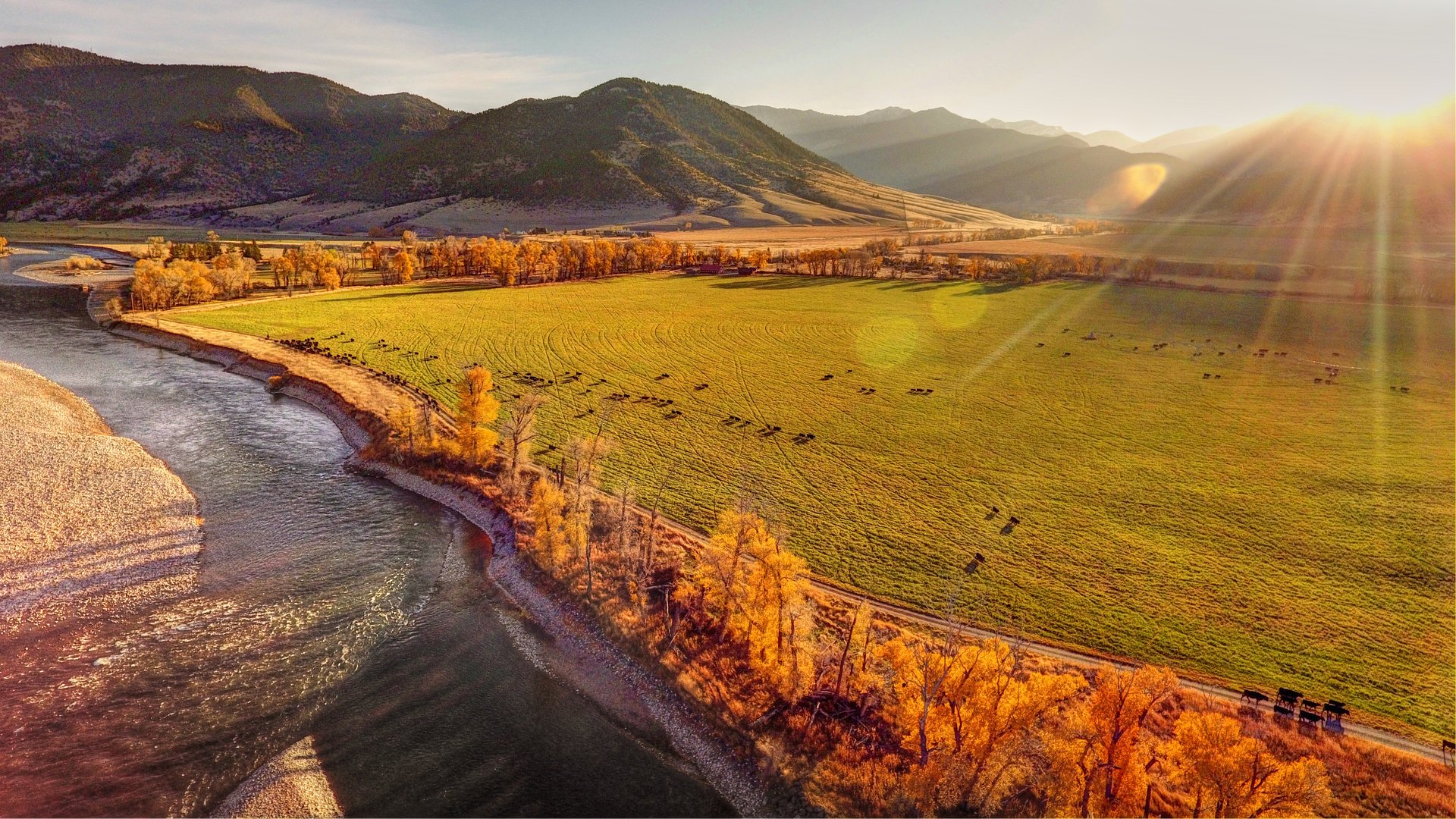
Colorado has world-class skiing and genuinely spectacular scenery. Idaho has the Sawtooths and the Snake River. Utah has Zion, Bryce, and the Wasatch. Arizona has the Sonoran Desert and some of the finest golf in the country. These are not small things.
But Southwest Montana, and Bozeman specifically, sits at the center of an outdoor recreation radius that no other Mountain West second home market can match. Yellowstone National Park is ninety minutes from downtown. The Madison River, one of the most celebrated fly-fishing destinations in the world, runs through a valley that still feels genuinely remote. Hyalite Canyon, twelve miles from Bozeman's southside, offers year-round climbing, hiking, fishing, and snowshoeing. Big Sky, which SKI Magazine named the number one resort in the West for 2026, delivers 5,850 skiable acres and a 4,350-foot vertical drop second only to Snowmass at Aspen, forty-five minutes from downtown Bozeman. The Beartooth Highway, arguably the most spectacular paved road in the United States, connects this corner of Montana to the northeast entrance of Yellowstone through a landscape that reduces even seasoned travelers to silence. And Bridger Bowl, a world-class ski mountain beloved by locals, sits just sixteen miles from downtown.
What makes Bozeman's position unique is not that any one of these destinations is exceptional. It is that all of them are accessible from a single address, in a city that has simultaneously developed a genuine restaurant scene, a vibrant cultural calendar, a major university, and a connected international airport. No other Mountain West second home market delivers this combination of urban convenience and wilderness access in the same footprint. The outdoor calendar here never runs out of new terrain, and the city you return to at the end of the day continues to earn its place as one of the most livable in the American West.
The Cultural Moment Montana Is Having
Yellowstone the television series did something measurable for this market. It introduced Montana to an audience of tens of millions of viewers who had not previously considered it, and it did so at exactly the moment when remote work, lifestyle recalibration, and a broad reassessment of what a good life actually looks like were already accelerating buyer interest. The result was a surge in attention that has not fully subsided, and a buyer profile that now includes people who arrived here via a television screen and stayed because the reality exceeded the fiction.
That cultural momentum is not trivial. It has translated into sustained demand from California, Texas, Arizona, and Colorado buyers who have arrived in Bozeman for a long weekend and left with a fundamentally different sense of their own priorities. Montana has always been extraordinary. It is now, finally, widely known to be extraordinary. And for the buyer who acts before that awareness fully matures into the kind of price compression that has already occurred in competing markets, the timing remains genuinely advantageous.
The Airport That Surprises Everyone
One of the consistent surprises for buyers new to this market is Bozeman Yellowstone International Airport. Direct flights to Los Angeles, San Francisco, Seattle, Dallas, Denver, Chicago, Atlanta, New York, and a growing number of additional cities make Bozeman meaningfully more accessible than its geography might suggest. For the buyer who maintains a primary residence in a major metro and wants a Montana retreat that does not require a connection through Salt Lake or Denver, the airport delivers in a way that most small mountain town airports simply cannot.
Compare this to Sun Valley, which routes most visitors through Twin Falls or Boise. Or to many of Colorado's mountain communities, which require a drive from Denver International after a cross-country flight. Or to Park City, which funnels visitors through Salt Lake City International before an hour on the road. Bozeman lands you directly, and whether your destination is Bridger Canyon, the southside neighborhoods, the Madison Valley, or Big Sky's world-class ski terrain forty-five minutes south, the drive from the airport is part of the experience rather than a logistical obstacle. Big Sky Resort itself notes that it is the most well-connected ski destination in the country, with direct flights from 21 airports to Bozeman Yellowstone International. That kind of access, in a mountain destination of this caliber, is genuinely rare.
The Legacy Argument
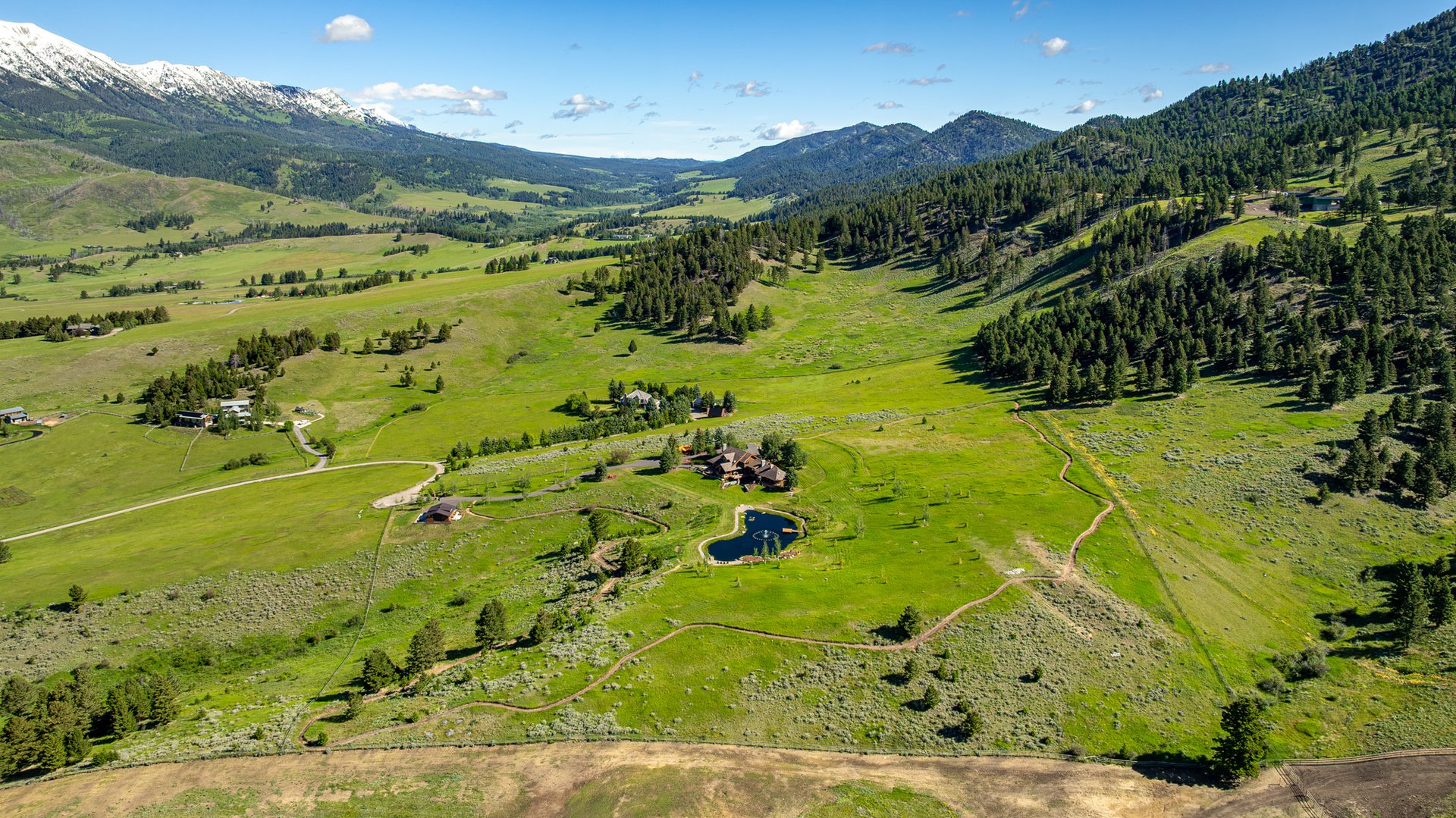
The buyers who are most deliberate about a Montana acquisition are often thinking in decades rather than years. They are not buying a vacation property. They are acquiring a generational anchor, a place where the family returns season after season, where children grow up understanding something about the natural world that no city can teach, and where the land itself holds and appreciates value in ways that reflect genuine scarcity rather than speculative momentum.
Montana's land market has a structural quality to it that competing markets have largely lost. The supply of truly private, truly spectacular, truly accessible acreage within reach of Bozeman is finite in a way that is now visible to anyone paying attention. What is available today, at the price points available today, will not be available in the same form in ten years. The buyers who have been here longest understand this. The buyers arriving now are beginning to understand it too.
A Personal Perspective
I chose Bozeman in 2009 and have spent every year since watching this market evolve, this community grow, and this region earn the national attention it always deserved. What I know from 25 years in real estate and nearly two decades of living here is that the window for acquiring the best of what Montana offers, the most private land, the most spectacular settings, the most irreplaceable addresses, is not unlimited.
The buyers who act with intention in this market, who take the time to understand what they are looking for and work with representation that knows this landscape intimately, consistently find that Montana exceeds every expectation they arrived with. That has been true for as long as I have been here. It remains true today.
If you are weighing Montana against other options in the Mountain West, I would welcome the conversation. Reach out at 406.600.2477 or [email protected].
Frequently Asked Questions
How does Montana's real estate market compare to Colorado in terms of price per acre?
Montana continues to offer meaningfully more land per dollar than Colorado's most desirable resort markets. While price per acre varies considerably by location, proximity to amenities, and property characteristics, buyers who have been priced out of comparable privacy and scale in Colorado consistently find that Montana delivers more for their investment. The gap has narrowed over the past five years but remains significant, particularly for larger acreage properties in the Gallatin Valley, Bridger Canyon, and Madison Valley corridors.
Does Montana have a state sales tax?
No. Montana has no state sales tax, which is a meaningful distinction for buyers making significant property purchases and lifestyle investments. Montana does have a state income tax, currently with a top marginal rate of 5.65% for 2026, which has been steadily reduced from 6.9% in recent years with further reductions planned. Montana ranks 6th on the Tax Foundation's 2026 State Tax Competitiveness Index. Second-home buyers should also be aware that Montana classifies non-primary residences at a higher property tax rate than owner-occupied homes. A local tax advisor can help put all of these factors in full context for your specific situation.
How far is Bozeman from Yellowstone National Park?
Bozeman is approximately 90 miles from the north entrance to Yellowstone at Gardiner, Montana, typically a 90-minute drive through Paradise Valley along the Yellowstone River. The west entrance at West Yellowstone is also approximately 90 minutes by a different route. Many Bozeman-area residents and second-home owners visit the park multiple times per season, treating it as a neighborhood resource rather than a destination.
What makes Southwest Montana and Bozeman different from other Mountain West second home markets?
The combination of genuine land availability, privacy at scale, no state sales tax, proximity to Yellowstone and world-class outdoor recreation, a meaningfully growing airport, and a community that retains authentic Montana character despite rapid growth creates a value proposition that competing markets have largely lost. Southwest Montana, and Bozeman specifically, sits at the center of all of it, offering a level of urban convenience, cultural vitality, and wilderness access that no comparable destination in the region can fully replicate. This corner of Montana is earlier in its discovery curve than Colorado, Idaho, or Utah, which means the buyers who act now are acquiring at a point in the market cycle that those destinations can no longer offer.
Is now a good time to buy in the Montana market?
The structural drivers of Montana's real estate market, land scarcity, lifestyle desirability, a strong and diversified buyer base, and proximity to irreplaceable natural resources, are not cyclical. They are permanent. The buyers who approach this market with a long-term perspective and acquire intentionally tend to find that the timing question answers itself over time. For a more specific conversation about what is available right now and what represents the strongest opportunity for your goals, reach out to PollyAnna Snyder at 406.600.2477 or [email protected].
PollyAnna Snyder | Engel & Völkers Bozeman | 406.600.2477 | [email protected]